
Retrofit insulation in Dallas, TX - even coverage, sealed gaps and a cooler upstairs
Hot upstairs, drafty rooms and a power bill that keeps climbing? We seal the gaps first, then add insulation where your house is thin.
Can you add insulation to an older Dallas house without tearing it apart?
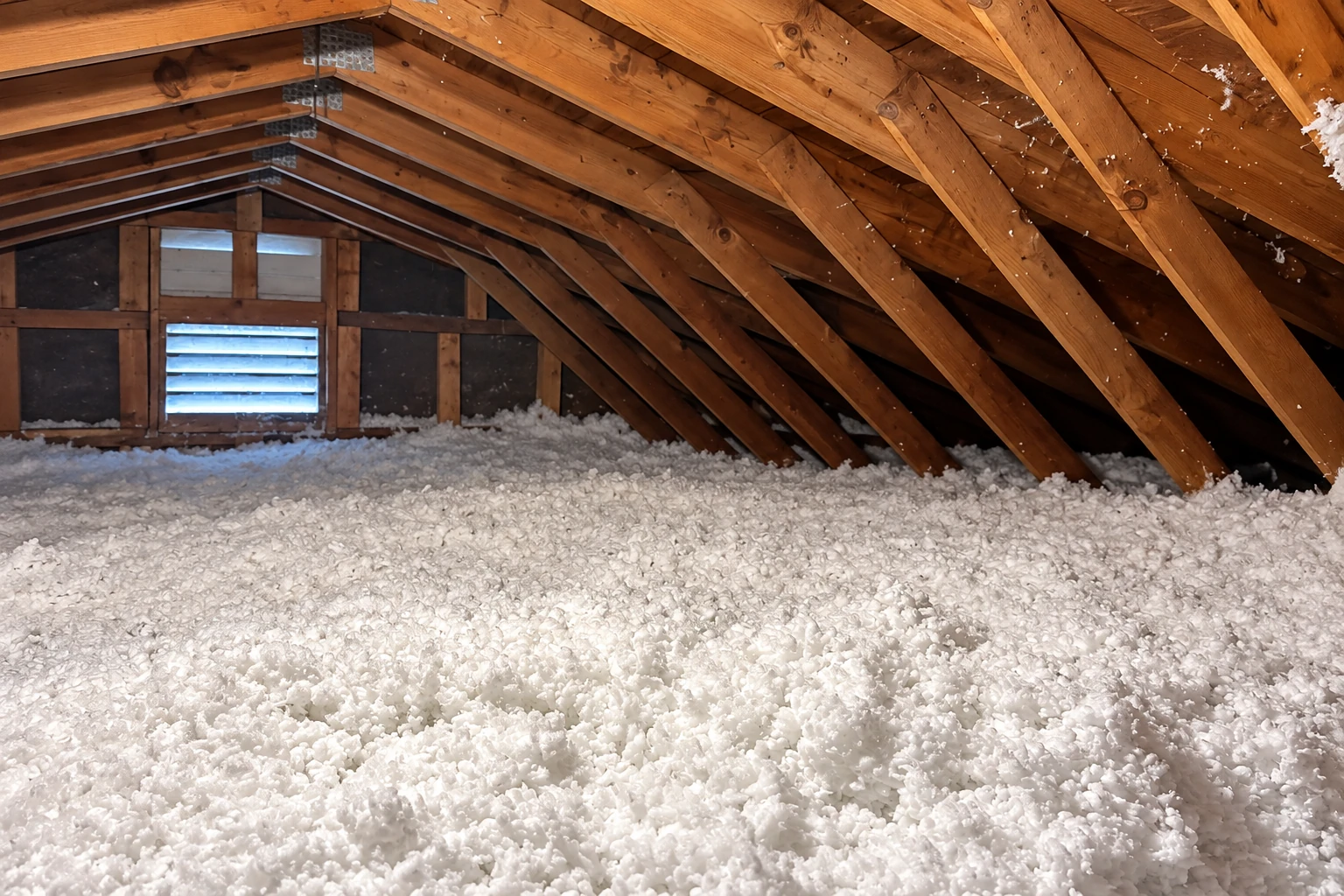
Retrofit insulation is insulation added to a house that's already built, usually loose fill blown through a hose over the existing attic floor or into the wall cavities. At Steadfast Dallas Spray Foam Insulation, it's how we fix hot rooms and drafty walls in older Dallas homes without tearing anything out.
Most of the calls I get about this come from older houses where the upstairs runs hot, the room over the garage never feels right, or the power bill keeps creeping up. With an older home the real question is whether the attic or the walls come first, and the attic insulation is usually where I start looking. The price moves with how many inches are already up there, whether old material has to come out, how many gaps need sealing and whether walls are part of the job. The schedule turns on how easy the attic is to get into, any cleanup that has to happen first and whether the city wants a permit, and your written estimate lays all of that out.
How do you know your house needs more insulation?
Most of the time a house tells you it's under-insulated before anyone climbs into the attic. These are the things homeowners and landlords mention most when they call about an older Dallas house.
Upstairs rooms stay hot all summer with the AC running, which usually points to a thin attic.
The room over the garage swings hot in summer and cold in winter, usually from thin insulation around it.
You can see the tops of the ceiling joists in the attic, so not much insulation is left up there.
Insulation is deep in the middle of the attic and thin near the edges, which is exactly backward.
You feel drafts at outlets, can lights or the attic hatch, so air is slipping through unsealed gaps.
Old insulation looks matted, dirty or stained, which usually means it got wet or air has been leaking through it.
If you notice a roof leak or water stains on a ceiling, call (214) 706-4099 now rather than after summer, because that gets fixed before any insulation goes in.
What happens after you call us about retrofit insulation in Dallas?
It's the same few steps whether it's your own house or a rental you manage, and I'm the one you deal with from the first look to the final walk-through.
Call or send us a request
Call (214) 706-4099 or send a request through our contact form, and we'll set a time for me to come out. A quick note on what's bothering you, like a hot upstairs or cold floors, tells me where to look first.
I look before I price
I go through the attic, walls or crawl space and look for leaks, bad wiring or ruined insulation that has to be fixed first, because insulation laid over a problem just hides it. Your written estimate says what comes first, attic or walls, and what each part involves, and if a part isn't needed, I'll tell you.
Our crew seals, then insulates
Our crew seals the gaps first, so the new insulation isn't fighting a draft. Then they insulate the attic or walls the way your estimate laid out.
We walk the job together
Our crew cleans up, and I walk the finished job with you before we call it done. Satisfaction guaranteed.
Get a written retrofit insulation estimate for your Dallas home
We'll get back to you within one business day to set a time. I'll come out, look over the attic and walls, and give you a free written estimate with no obligation to go ahead.
- Call
- (214) 706-4099
- Hours
- Mon–Fri: 8 AM–9 PM, Sat–Sun: 6 AM–9 PM
Loose fill, foam and drill-and-fill for older homes
Most attic retrofits are loose fill blown right over the old layer. It should sit as even as possible across the whole ceiling, out to the top of the walls, and older attics are usually thinnest at the edges. So we bring the entire ceiling up, not just the easy middle, with baffles at the eaves to keep the vents open. That's how an older attic gets up to the energy code the city sets today.
Foam is the other route. It costs more and seals air while it insulates, and sprayed under the roof deck it turns the attic into a closed, unvented space. That suits a house with ductwork or the AC unit up there, or a ceiling so full of lights and vents that sealing it tight isn't realistic. Otherwise I'd seal the gaps and top up loose fill, and save spray foam insulation for the houses it fits.
Walls are usually drill and fill, a fairly low-disruption way in, with a small hole near the top of each wall cavity and insulation blown through it. Houses built before 1980 often have little or nothing in the walls, so in those, the walls can matter as much as the attic. In those same houses, guidance says to be aware of lead safety rules when the work disturbs wall surfaces inside or out, so it's worth knowing your build year.
Retrofit insulation questions from Dallas homeowners
How much does attic insulation cost in Dallas?
Installing attic insulation in Dallas usually costs about $1,800 to $2,500 per project. That's the going rate for attic work around here, not a quote from us, and where yours lands depends on attic size, how much is already up there and whether old material has to come out first. Walls are priced on their own, and I put both on the written estimate after I've seen the house.
What is the best way to insulate an older house in Dallas, attic or walls first?
Usually the attic comes first, because it's the easiest part of the house to reach and a thin attic is behind most hot upstairs rooms. Walls move up the list when I find them close to empty, and the estimate lays out both so you can do one now and the other later.
Is wall insulation added from inside or outside the house?
It can go in from either side, and the choice usually comes down to access and the condition of the layer behind your siding. Going in from outside breaks through the drainage plane, the barrier behind the siding that sheds water, if the wall has one, so it has to be patched or fully replaced. Working from inside leaves it alone, and I'll tell you which side makes sense once I've seen the walls.
What happens before attic insulation goes in?
Every opening through the attic floor gets sealed first, with caulk, one-part spray foam or rigid blocking, which is what building guidance for existing attics calls for. That guidance also calls for metal blocking and collars around hot flues and covers over certain recessed can lights. We do the sealing on every attic job before any insulation goes down.
How do I know if old attic insulation needs to come out before adding more?
If it was soaked by a roof leak or is full of droppings, it has to come out, because new material on top just keeps the problem in your attic. Dry, clean insulation can usually stay and get topped up. I check this on the first visit, and if it has to go, insulation removal comes before the new work.
Who issues residential permits in Dallas?
The City of Dallas issues residential permits for construction, renovation and major repairs on a home. We check with the city's building office before we start, and when a job needs a permit, we handle the application and the inspections with the city. We're licensed and insured.
Related insulation work for older homes
Spray foam insulation
If your ductwork or air handler sits in the attic, foam on the underside of the roof can make more sense than piling more on the floor.
Attic insulation
When the walls are fine and the upstairs is still hot, the attic on its own is often the whole job, sealed and brought up evenly.
Tell us about your older Dallas house
Call (214) 706-4099 or use the contact form, and have the build year, how you get into the attic and the rooms you want insulated ready, so the first visit covers everything.
Mon–Fri: 8 AM–9 PM, Sat–Sun: 6 AM–9 PM