
Air sealing services in Dallas TX - fewer drafts and an attic sealed in the right order
Drafty rooms, a hot upstairs and a power bill that keeps climbing? We find and seal the leaks first, then you decide on insulation.
What does air sealing do for a Dallas house?
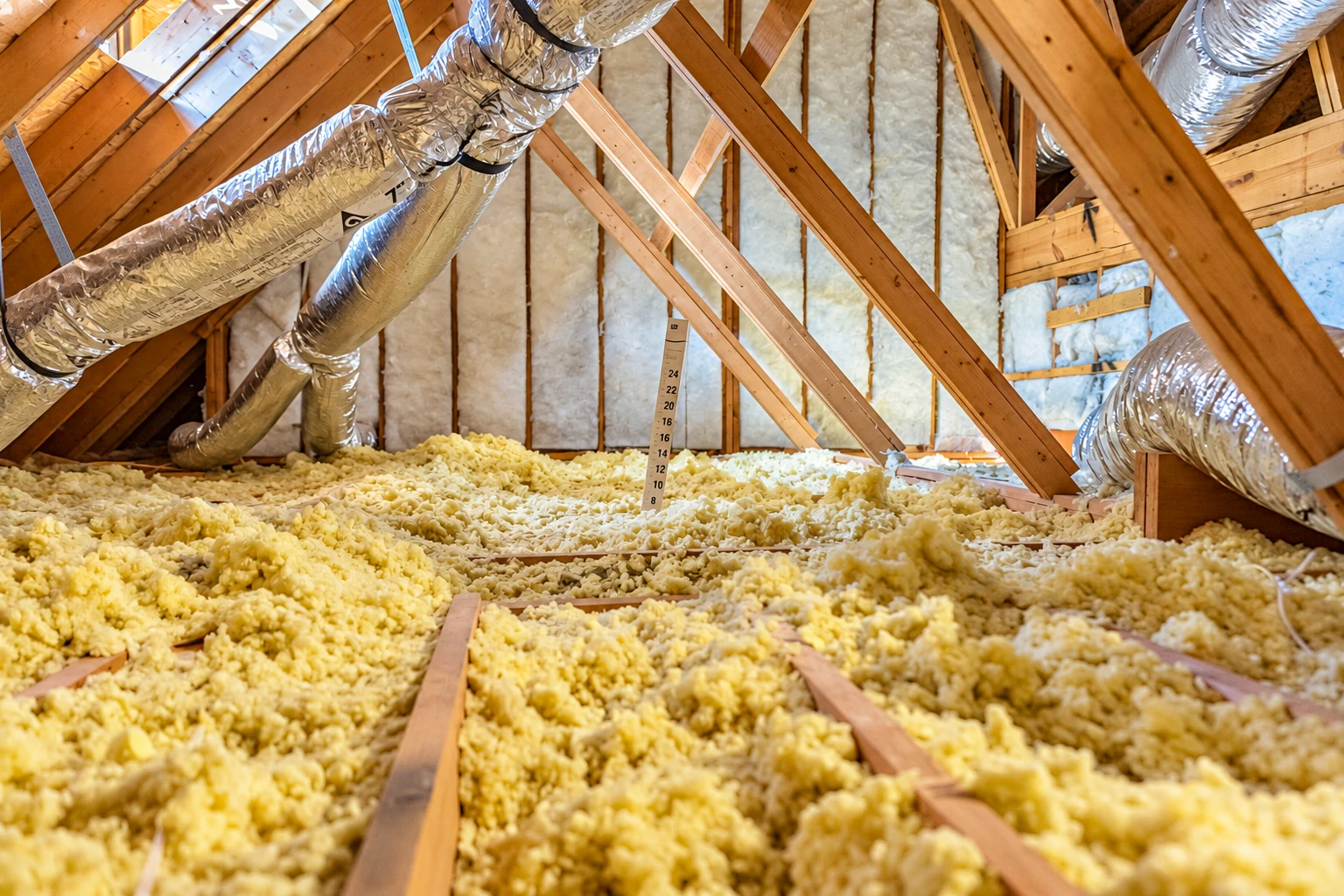
Air sealing services in Dallas close the gaps where your house trades air with the attic, the garage and the outdoors. We put sealant on ceiling joints and around pipes, wires and vents, and solid blocking over big holes and open soffits. It's done before any new insulation goes in, so the insulation isn't fighting a draft.
Most calls start with a hot upstairs, a drafty room or a power bill that climbs every summer, and the leaks behind it are usually hidden under old attic insulation. The price moves with how many leaks there are and how hard they are to reach. The schedule turns on what we find first, since a roof leak, bad wiring or old insulation that needs insulation removal gets handled before we seal over it. Some attics turn out worse than the ceiling below lets on, which is why you get a written estimate before anything starts. We're licensed and insured, and we're based in Dallas and work across the city and the cities around it, so if your city isn't listed here, call and ask.
How do you know your house is leaking air?
Most leaks hide where you don't look, under attic insulation, behind the hatch and around pipes. You usually notice them downstairs first, in how the rooms feel and in the power bill.
The room over the garage runs hot or cold, which usually means air is leaking through from the garage.
Upstairs stays hot all summer even with the AC running, often because attic air is pulling in through ceiling gaps.
A draft at outlets, switch plates or the attic hatch means there's an open path behind it.
Dust streaks on the carpet along the baseboards or around ceiling vents usually mark where air is getting through.
Dark, dirty patches on the old attic insulation usually show where air has been filtering through for years.
Cold floors over the crawl space in winter usually mean air is coming up around pipes and wires below.
If you're planning new insulation, call (214) 706-4099 first, because every leak gets harder to reach once a fresh layer covers it.
What happens after you call us about air sealing?
From the first call to the walk-through, here's who does what. I do the looking and the estimate, our crew does the sealing, and you get a straight answer on what's worth doing.
Call or send a request
Call (214) 706-4099 or send a request through the form, and mention any gas furnace, water heater or dryer and any insulation you're planning. Those two things change what I look for when I come out.
I inspect and write it up
I go up into the attic and look for anything that has to be fixed first, like old wiring, a roof leak or a bath fan blowing into the attic, because sealing over those just hides them. Your written estimate lists the repairs, the leaks we'll seal, the ones you can caulk yourself and the price, so there's nothing to guess at before we start.
Our crew seals the leaks
The crew pulls back the old insulation where it hides leaks, seals the joints, pipes, wires and can lights, blocks the big openings and keeps the vents clear. They clean up the attic and the house before they leave.
I check it with you
I go over the crew's work myself, then walk the finished job with you before we call it done. Ask anything you want while we're standing there.
Get a written air sealing estimate for your Dallas house
Send the form and we'll reply within one business day to set up a time. I come out, look at the attic and give you a free written estimate, with no obligation.
- Call
- (214) 706-4099
- Hours
- Mon–Fri: 8 AM–9 PM, Sat–Sun: 6 AM–9 PM
Sealing materials and where each one fits
Most of the work is caulk and low-expansion foam, the canned kind that doesn't swell and push. Caulk goes on thin cracks along the tops of interior walls, and foam fills the gaps around pipes, wires and vent boots. Big openings like plumbing chases and dropped soffits get solid blocking, usually rigid foam board sealed at the edges, because foam alone won't span a hole that size. Around flues and chimneys we use metal and fire-rated sealant.
What gets sealed matters as much as how. One building performance standard says the leaks between an attached or tuck-under garage and the living space should always be sealed, which is why the room over the garage gets extra attention. The same standard wants dryers and bath fans venting straight outside, with gas dryers in metal duct, before any sealing goes in. Soffit, ridge and gable vents stay open, because they're meant to move air.
Foam costs more, and it seals air while it insulates. For most houses, sealing the gaps and topping up the loose fill does the job for less. The exception is ductwork in the attic, where closed-cell foam insulation, the dense kind that also blocks moisture, can be worth the extra cost. In a house with a basement, the leaks below the floor are their own job, and we handle them as basement insulation.
Air sealing questions from Dallas homeowners
How do I know which air leaks I can seal myself?
You can usually handle the obvious ones yourself, like gaps around door frames and spots where pipes, vents and wires go through an outside wall. Small leaks that are hard to find won't come out with a caulk gun, especially the ones in the attic under layers of old insulation, and those are the ones you want a crew for. When I'm out for the estimate, I'll show you which leaks are yours and which are ours.
Is air sealing safe if I have a gas water heater or furnace?
Yes, as long as the venting gets checked afterward, because a tighter house gives carbon monoxide more chance to build up if a gas appliance isn't venting properly. If you have a gas furnace, water heater or dryer, plan on having your heating and cooling technician check the venting once we're done.
What is the best order for air sealing and insulating an attic?
Seal first, then insulate, so the new insulation doesn't end up covering the leaks. One attic guide puts safety ahead of both, sorting out combustion venting and fresh air for the house first, then keeping the framing dry and the attic venting, and only then sealing and insulating. If you're adding attic insulation too, we put the sealing on the schedule ahead of it.
How much does air sealing cost in Dallas?
There's no set price, because it depends on how many leaks your house has and how hard they are to reach, and I give you a written figure once I've been in the attic. Deep or dirty old insulation that has to be pulled back or removed, lots of can lights, a tight attic and repairs that come first all add to it. Caulking the easy leaks yourself and skipping foam where sealing and loose fill will do keeps it down.
How can I tell if air sealing was done right?
A blower door test is one way to check, because it pulls air out of the house and then shows where it's still leaking in. You can also look for yourself, at sealed gaps around the top plates, can lights and hatch, blocking over the big openings, and soffit and gable vents left open, since those are meant to breathe.
Do I need a permit for air sealing in Dallas?
We check with the city's building office before we start, and if your job needs a permit we handle the application and the inspections. On a Dallas remodel permit, you don't file an energy form with the application, but the city needs a Compliance Certificate at the end. City staff also have to sign off on the energy paperwork before the building final can pass.
Related work that often goes with air sealing
Basement insulation
A basement leaks at the rim along the top of the wall, and sealing the attic alone won't reach it, so the two jobs often pair.
Closed-cell foam insulation
When ductwork runs through the attic, closed-cell foam sprayed on the roof deck seals and insulates at once and puts the ducts inside the cooled house.
Get your attic leaks found and sealed
Call (214) 706-4099, email service@dallassprayfoaminsulationsolutions.com or send a request, and have a note ready on your gas appliances and any insulation plans so the first visit covers everything.
Mon–Fri: 8 AM–9 PM, Sat–Sun: 6 AM–9 PM