
Insulation removal in Dallas TX - a clean attic, ready to seal and insulate again
Old attic insulation that's matted, wet or full of droppings comes out first, so the sealing and new insulation can actually do their job.
Does your old attic insulation need to come out?
Insulation removal in Dallas takes the old insulation out of your attic, either because it's soiled, wet or possibly hazardous, or because the ceiling underneath needs its air leaks sealed before new insulation goes down. At Steadfast Dallas Spray Foam Insulation, I look first, and we remove only what needs to come out.
Most calls start with something found up there: droppings, a stain from an old roof leak, or insulation packed so flat the upstairs never cools off. Sometimes it's all three. What you'll pay mostly comes down to what kind of insulation it is, how much is up there, what shape it's in and how easy the attic is to move around in. The schedule turns on what I find first, because a roof leak, bad wiring or possible vermiculite has to be dealt with before anything comes out, and you'll get your own number in a written estimate after I've looked.
How do you know your attic insulation should come out?
Most people don't go up in the attic until something sends them there. These are the things homeowners usually notice that mean the old insulation has to come out, or at least needs a closer look.
You find droppings, nesting or chewed paths in the insulation, which usually means rodents have been living up there.
The insulation is stained, matted or smells musty, usually from an old roof leak that soaked it.
Upstairs stays hot though the attic looks full, often because the old fill has packed flat.
You see loose, pebble-like fill between the joists, which could be vermiculite and needs a look before anyone touches it.
Drafts around can lights or the attic hatch usually mean air is leaking through the ceiling under the insulation.
Insulation is piled over the eave vents, so the attic can't breathe and the framing may show moisture.
If you see fresh droppings or pebble-like fill, call us before anyone sweeps, vacuums or digs through it, because stirring it up is what makes it risky.
What happens when you call us to remove insulation?
I come out myself, and nothing gets torn out until I know what's up there. Here's how a removal job runs from your first call to the walk-through at the end.
Call or send a request
You call (214) 706-4099 or send the form, and we get back to you to set a time for me to come out. If you're clearing stored boxes out of the attic first, Dallas residents can drop household trash at the city landfill or a transfer station at no charge, with a Texas driver's license showing a Dallas address or a current Dallas water bill.
I look before anything comes out
I check the attic for leaks, wiring problems and buried eave vents, and figure out what kind of insulation is there and what shape it's in. You get a written estimate for the work, and if the old insulation can stay where it is, I'll tell you that instead.
Our crew removes and cleans up
Our crew takes out what the estimate covers, the way that material calls for, and cleans up the attic and the path through your house. If the city says the job needs a permit, it's already been handled before we start.
We walk the attic together
I check the crew's work and walk the cleared attic with you before we call it done. If air sealing or new insulation is next, you'll see the bare ceiling first, so you know what it's going over.
Get a free on-site estimate for insulation removal
Send the form with a note on what your insulation looks like and any signs of rodents. We'll reply within one business day to set a time for me to come out, and the estimate is free with no obligation.
- Call
- (214) 706-4099
- Hours
- Mon–Fri: 8 AM–9 PM, Sat–Sun: 6 AM–9 PM
How old insulation comes out of an attic
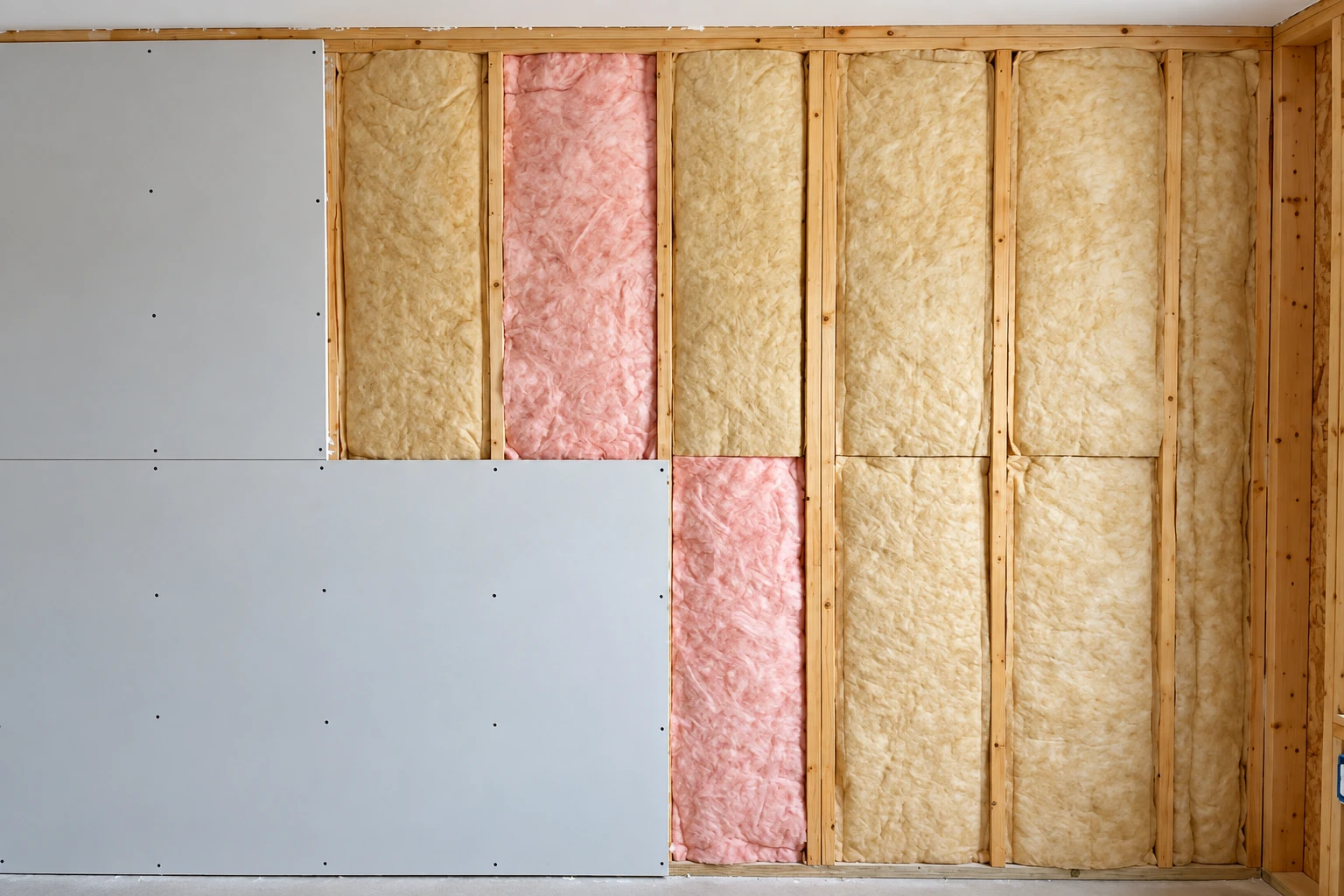
Loose blown-in insulation, the fluffy fill that was blown in through a hose, comes out the same way it went in. We vacuum it through a big hose to a truck outside, which is the quickest and cheapest kind of removal. Batts and rolls, the pink or yellow blankets, along with any rigid foam board, get cut, pulled, bagged and carried down by hand, so they take longer.
Taking it out is usually only half the job. With the attic floor bare, we can do the air sealing, closing the gaps around can lights, pipes, wires and the hatch, before anything new goes down. Then you have a choice to make. Spray foam costs more and seals while it insulates, but sealing the gaps and blowing in fresh loose fill usually wins, unless your ductwork runs through the attic.
Removal isn't only an attic job. Wet or sagging batts under the floor come out before new crawl space insulation goes in, and the same goes for old fill in a wall that's opened up for wall insulation. The order doesn't change. Fix the leak or the wiring, take out what's bad, seal, then insulate, because new insulation over an old problem just hides it.
Insulation removal questions from Dallas homeowners
Does old attic insulation always have to come out?
No. One cost guide says old insulation that's clean, dry and free of pests can stay, with new insulation added right on top. Removal makes sense when it's soaked, soiled, possibly hazardous or in the way of sealing the ceiling's air leaks, and I'd rather tell you to leave it than sell you a job you don't need.
How much does insulation removal cost in Dallas?
Removing attic insulation that isn't contaminated usually costs about $600 to $1,200 per job in Dallas. That range is for clean material, so an attic full of rodent mess that has to be bagged by hand takes more work, and vermiculite goes to an abatement contractor instead of us. I'll give you a written estimate once I've seen your attic.
Who should remove vermiculite insulation from my attic?
If you decide to have it removed, EPA says a trained and accredited asbestos abatement contractor should do it, and that's not us. Vermiculite is a pebble-like pour-in fill, usually gray-brown or silver-gold, and EPA recommends leaving it undisturbed because disturbing it can release asbestos fibers you can breathe in. EPA also advises hiring a different company from the one that assessed it, so no one is checking their own work, and making sure whoever handles it is trained and accredited. Texas requires anyone doing asbestos work in a public building to be licensed or registered with the state health department. We're licensed and insured for insulation work, and if I see what looks like vermiculite, we stop and point you to an abatement contractor.
How do I get rid of attic insulation with rodent droppings?
Bag it in plastic and carry it out by hand, and don't vacuum or sweep it. CDC advises against vacuuming or sweeping rodent urine, droppings or nesting because it can put tiny virus droplets in the air, and its guidance is to bag soiled insulation for removal. That's how our crew handles it, which is slower than running the hose but the right way to do it.
Do I need a permit to remove insulation in Dallas?
We check with the city's building office before every job, and if yours needs a permit, we handle the application and the inspections with the city. The City of Dallas issues residential permits for construction, renovation and major repairs on a home, so it's worth asking before work starts, not after.
How long does it take to remove old attic insulation?
Clean loose fill that goes out the hose is the quick end of it, and batts, foam board or anything soiled take longer because they come out by hand. A leak or wiring problem I find first can push the start back until it's fixed, because there's no point clearing an attic that's about to get wet again.
Insulation work that often follows removal
Crawl space insulation
If the batts under your floors are sagging, wet or full of nesting, they come out first and we insulate the crawl space so cold floors warm up.
Wall insulation
When a room stays hot or drafty even after the attic is fixed, the walls are often where the heat gets through, so they're worth a look.
Tell us what's in your attic
We pick up the phone seven days a week, so call (214) 706-4099, email service@dallassprayfoaminsulationsolutions.com or use the contact form as soon as you find something up there.
Mon–Fri: 8 AM–9 PM, Sat–Sun: 6 AM–9 PM