
Crawl space insulation in Dallas, TX - warmer floors, done in the right order
Cold floors, a musty smell or insulation sagging from the joists? We deal with moisture and gas equipment first, then insulate the walls or floor.
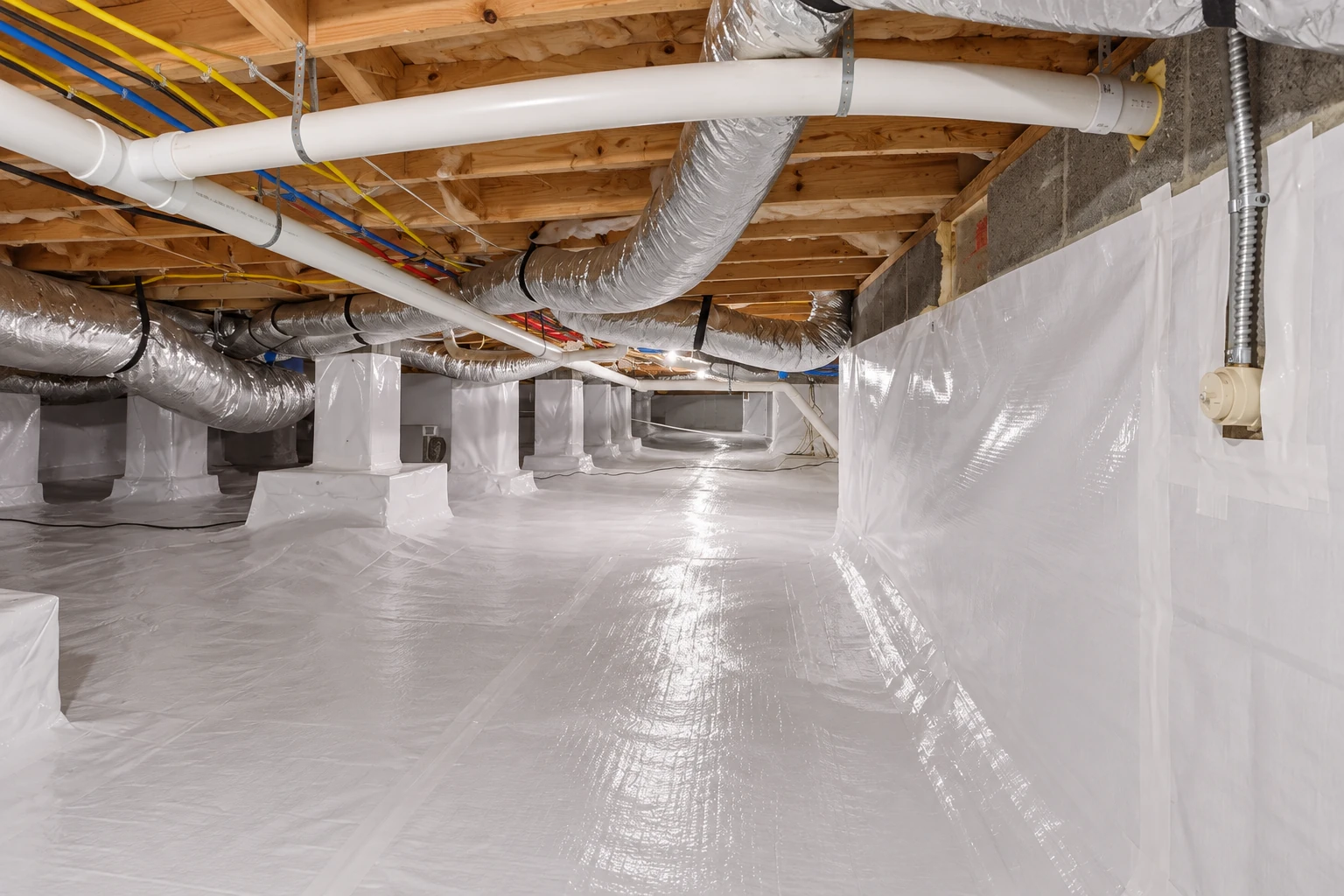
What does crawl space insulation do for your Dallas house?
Crawl space insulation in Dallas comes down to one of two jobs. We either seal and insulate the crawl space walls so the space becomes part of the house, or we insulate the floor above and leave the crawl space outside it. Either way, you get floors that aren't cold underfoot and a house that holds its heat and cool better.
Most people call because the floors are cold, the bedroom over the crawl space never feels right, or someone went under the house and found insulation lying in the dirt. The price moves with the square footage, whether we're doing walls or floor, foam or blankets of insulation, and whether old wet insulation has to come out first. The schedule turns on what I find down there, because moisture, gas equipment and termite signs get handled before anything goes in, and so do the gaps around pipes and wires, which is the same work as our air sealing services. Your written estimate tells you which route fits your house and what has to be dealt with first.
How do you know your crawl space needs insulation?
Most of these show up in the rooms above before anyone looks under the house. Some point to missing insulation, and some point to a moisture problem that has to be fixed first.
Floors feel cold underfoot in winter, which usually means there's little or no insulation under them.
A musty smell in the rooms above usually means damp air in the crawl space is working its way up.
Insulation hanging from the joists or lying in the dirt has stopped doing anything and usually got wet.
Dark stains or fuzzy growth on the floor framing usually mean moisture is condensing on cool wood.
Drafts at the baseboards or around pipes under the sinks usually mean open gaps through the floor.
A power bill that keeps climbing while the rooms over the crawl space stay uncomfortable often points to the floor.
If you see wet wood or growth on the framing, call before anyone adds insulation, because covering a moisture problem only hides it until the wood pays for it.
What happens when you call us about your crawl space?
I come out and look before anyone quotes you a number, because a crawl space can hide a lot. Here's how a job runs from your first call to the final walk-through.
Call or send a request
Call (214) 706-4099 or use the form, and tell us roughly how big the crawl space is, whether it has open vents and whether a furnace or water heater sits down there. That tells me what to look for before I come out.
I go under the house
I check for moisture, gas equipment, bad wiring and termite signs, because those get dealt with before insulation goes in. You get a written estimate that says whether we're doing the walls or the floor, with what materials, what has to happen first and what it will cost.
We fix what comes first
Anything I flagged gets handled before we insulate, and if there's gas equipment down there, we sort that out before a single vent gets closed. Insulation over a problem just hides it, and I've cleaned up after plenty of that.
Install, clean up, walk through
Our crew does the install and cleans up after itself. I check the work and walk the finished job with you before we call it done.
Get a written estimate for your crawl space
Send the form and we'll reply within one business day to set a time. I come out, look at the crawl space and give you a free written estimate, with no obligation to go ahead.
- Call
- (214) 706-4099
- Hours
- Mon–Fri: 8 AM–9 PM, Sat–Sun: 6 AM–9 PM
Crawl space materials and how we choose them
When the floor is the line between indoors and out, we seal the holes around plumbing and wiring in the subfloor first, then fit batts, precut blankets of insulation, between the floor joists. Federal guidance wants them tight, with no gaps, squashed spots or voids, because a sagging batt lets the cold right back in. If the rooms above still feel drafty afterward, wall insulation is often the next place to look.
When the crawl space becomes part of the house, the insulation goes on the walls instead, usually foam. Federal guidance has a polyethylene vapor retarder, a plastic sheet that slows moisture, laid over the crawl space floor and walls before rigid foam goes up. Some foam can give off toxic or flammable gases when heated, so most codes call for a cover such as gypsum board over it, and the chosen foam gets checked with local authorities against code.
If your ductwork or furnace lives down there, I lean toward the walls, because then the ducts end up inside the house instead of sitting outside it. Where termites are a concern, installer guidance leaves a 3-inch inspection gap between the top of the wall insulation and the wood, though that varies by region. If I spot termite signs, that's work for a pest applicator licensed by the Texas Department of Agriculture, not for us.
Crawl space insulation questions from Dallas homeowners
Should I insulate my crawl space walls or the floor above it?
Federal energy guidance calls sealing and insulating the crawl space walls the best practice in every climate, but on some houses the floor is still the right line between indoors and outdoors. The first decision is whether the crawl space joins the house or stays outside it, and I settle that with you before we talk materials.
What causes cold floors over a crawl space?
Usually it's a floor with little or no insulation sitting over a crawl space that isn't heated or cooled, which federal guidance names as a prime source of heat loss and cold floors. Drafts through gaps in the floor make it worse. Insulating the floor or the crawl space walls fixes the cause instead of the symptom.
Should I seal my crawl space vents in Dallas?
Not by closing the vents alone. In mixed and hot-humid climates, research shows vented crawl spaces tend to get damper instead of drier, and that moisture condenses on the cooler floor framing and feeds mold and rot, but closing only the vents can raise moisture too, and with a gas furnace or water heater down there that pulls its air from the crawl space, it can turn deadly. We're licensed and insured, and any change to that equipment goes to a Texas-licensed plumbing or mechanical contractor, with wiring going to a licensed electrician, before we close anything.
Do I need a permit to insulate a crawl space in Dallas?
The city's Building Inspection Permit Center issues most Dallas permits, generally for structural work, and houses in historic, conservation and planned development districts carry their own requirements, including for work on the outside of the house. We check with the city's building office before we start, and when a job needs a permit, we handle the application and the inspections.
How much does crawl space insulation cost in Dallas?
Insulating a crawl space usually runs about $3 to $6 per square foot across the US, so the size of yours drives most of the price. Walls or floor, the material and anything that has to be fixed first make up the rest. Your own figure comes in the written estimate after I've been under the house.
How do I insulate my own crawl space in Dallas?
The city says you don't need a license for general building work on your own property, so a handy homeowner can take it on. Do it in the same order we do, deciding walls or floor first and sealing gaps before insulation goes in, and keep the gas warning above in mind. If you'd rather not spend a weekend on your back in the dirt, that's what we're here for.
Related services that pair with crawl space work
Wall insulation
If the floor is done and a room still runs hot or cold, the walls are often the weak spot, and we can insulate them too.
Air sealing services
Drafts usually come through gaps around pipes, wires, outlets and the attic hatch, and sealing those before or alongside insulation is what makes the insulation actually work.
Get your crawl space looked at
Call (214) 706-4099 or use the form, and if all your crawl space needs is a few gaps sealed instead of a full job, I'll tell you that.
Mon–Fri: 8 AM–9 PM, Sat–Sun: 6 AM–9 PM