
Basement insulation in Dallas TX - walls insulated without trapping moisture
Cold basement walls and chilly floors above them? We insulate the walls and rim joists so the house stays warmer without trapping damp in the wall.
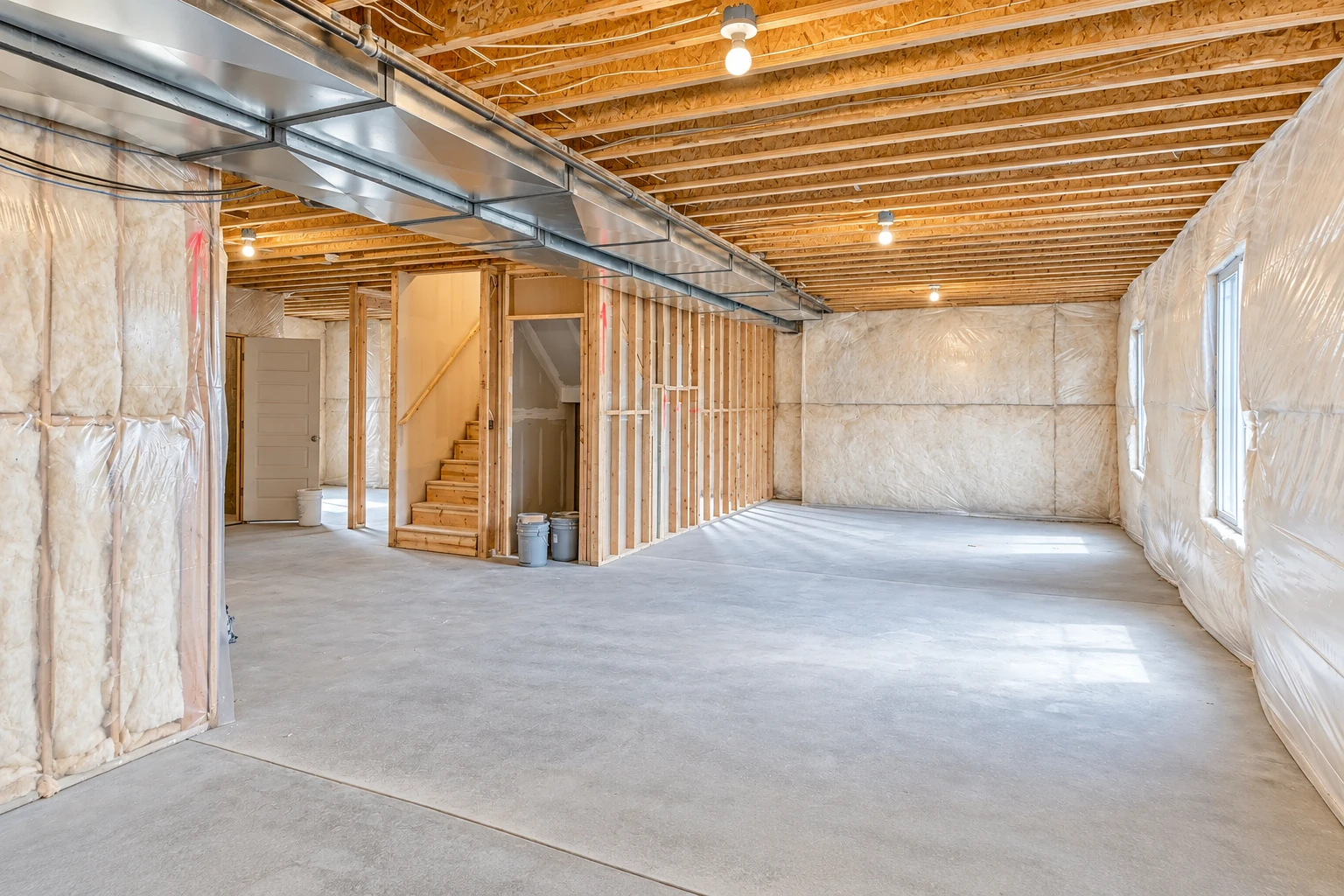
What does basement insulation in Dallas involve?
Basement insulation in Dallas covers the foundation walls and the rim joists, the band of framing that sits on top of the foundation, so the basement and the floors above it hold heat better without trapping moisture in the walls.
Most people call because the floor upstairs is cold, the basement smells damp, or they're about to finish it into a room and want the walls done right first. We're based in Dallas and work across the city and the cities around it. The price turns on how much wall there is, whether it's bare concrete or already framed and drywalled, which material goes on, and whether there's water or old, soggy insulation to clear out first. The schedule turns on those same things plus a permit if the city says the job needs one, and my written estimate puts your own figure on it.
How can you tell your basement needs insulation?
A basement usually tells you something's off before you go looking. These are the things homeowners notice that mean the walls or rim joists need insulating, or that what's down there isn't doing its job.
The floor over the basement feels cold in winter, which usually means heat is leaking out through bare foundation walls.
You feel a draft along the top of the basement wall, where the rim joist is usually unsealed.
Droplets form on the concrete or the rim joist on humid days, which points to warm air hitting cold surfaces.
Old batts pressed against the walls are sagging, stained or smell musty, so they're likely holding moisture.
Your power bill stays high even after the attic was done, so the basement may be where the heat goes.
You're planning to finish the basement, and it's far easier to insulate the walls before the drywall goes up.
If you see standing water, fresh stains on the concrete or droppings in the old insulation, call before anyone adds more, because new insulation over that just hides it.
What happens after you call us about your basement?
Here's how a basement job runs with us, from the first call to the walk-through, and who you'll deal with at each step. I do the looking and the pricing, and our crew does the install.
Call or send a request
Call (214) 706-4099 or use the form, and we'll set a time for me to come out. It helps to know roughly how big the basement is and whether the walls are bare or finished.
I look before I price
I check the walls, the rim joists and any old insulation for water, pests, wiring or anything else that has to be fixed first, because insulation over a problem just hides it. Your written estimate spells out the material, how the plan handles moisture and what it costs, so you can compare it line by line with anyone else's.
Our crew does the install
Our crew handles whatever has to come first, seals the rim joists and insulates the walls the way the estimate lays out. They clean up before they leave, so you're not sweeping foam dust off the floor.
I walk the job with you
I check the crew's work and go over the finished basement with you before we call it done. Satisfaction guaranteed.
Get a written estimate for your basement walls
Send the form and we'll reply within one business day to set a time. I come out, look at the basement and give you a free written estimate, with no obligation to go ahead.
- Call
- (214) 706-4099
- Hours
- Mon–Fri: 8 AM–9 PM, Sat–Sun: 6 AM–9 PM
Basement wall materials and how moisture decides them
Most basement walls get one of three things: rigid foam board stuck to the concrete, a framed wall with batts in it, or spray foam. Board is thin and doesn't mind the damp. Batts are cheap and easy to hide behind drywall, but they're the one that causes trouble when they touch concrete, so if batts are the plan, I lay it out so they stay off the wall.
Spray foam costs more, and it seals air while it insulates, which is where it earns its price on rim joists and rough block walls. Closed-cell foam is dense and blocks moisture, so it's usually the one we'd put against concrete. Open-cell foam is softer and cheaper but lets damp through, so it suits other parts of the house better than a basement wall.
On a plain, dry concrete wall, board usually does the job for less, and I'll tell you so. Whatever goes on, moisture comes first down there. If foam is the choice, the covering it needs goes into my plan and my estimate from the start, not as a surprise once the foam is already sprayed.
Basement insulation questions from Dallas homeowners
What is the best way to insulate basement walls in Dallas?
The best way keeps fiberglass batts and cellulose off the concrete, because Department of Energy guidance says those shouldn't touch foundation walls, while rigid foam panels can if they're fully stuck down with the seams sealed. Spray foam works too, but the same guidance says it has to be covered with ignition-barrier paint or drywall in a basement, so count that in the cost. When you compare quotes, ask each contractor how their plan keeps batts off your foundation.
Should I put plastic sheeting over basement wall insulation?
Not over batts. Plastic sheeting and foil-faced board are the tightest vapor barriers there are, and the guidance says they shouldn't go on the room side of fibrous insulation in a basement because they can trap moisture inside the wall. Before you sign off on a plan, ask what will cover any batts.
How much does basement insulation cost?
Across the US, basement insulation usually runs about $1,500 to $6,500 for a typical project. That's the market's range, not our price, and where your job lands depends on the wall area, the material and whether anything has to be fixed first. My written estimate gives you your own number.
Do I need a permit to insulate my basement in Dallas?
It may, so we check with the city's building office before we start. The City of Dallas issues residential permits for construction, renovation and major repairs on your home, and only to a registered contractor with the proper licenses or credentials. When your job needs one, we handle the application and the inspections, including the energy code certificate the city wants before final inspection, and we're licensed and insured.
Should I insulate my basement ceiling instead of the walls?
Only in narrow cases. The guidance says to insulate a basement ceiling only in a dry climate and only when the basement won't be used as living space. If you plan to use it as a room, the walls are where to start.
What causes condensation on basement walls and rim joists?
Usually it's warm, damp air slipping through gaps and hitting cold concrete or wood, and the rim joists are the usual spot. The guidance says rim joists need air sealing, closing the gaps before insulating, and then insulation, because sealing is a key defense against condensation. That's why we seal the rim joists before anything else goes up.
Foam insulation that pairs with basement work
Closed-cell foam insulation
If the rim joists sweat or the walls run damp, this dense foam insulates and blocks moisture in a single layer against the concrete.
Open-cell foam insulation
Softer and less costly than closed-cell, open-cell foam suits the attic and interior walls upstairs, which is often where the rest of a drafty house needs work.
Get your basement looked at before it's finished
Call (214) 706-4099 any day of the week or use the form, and have the basement's rough size, how the walls are finished now and any signs of water or termites handy so I know what I'm walking into.
Mon–Fri: 8 AM–9 PM, Sat–Sun: 6 AM–9 PM