
Home insulation in Dallas TX - a house that stays comfortable upstairs and down
Hot upstairs, drafty rooms or a power bill that keeps climbing? We find where your house loses air and fix that part first.
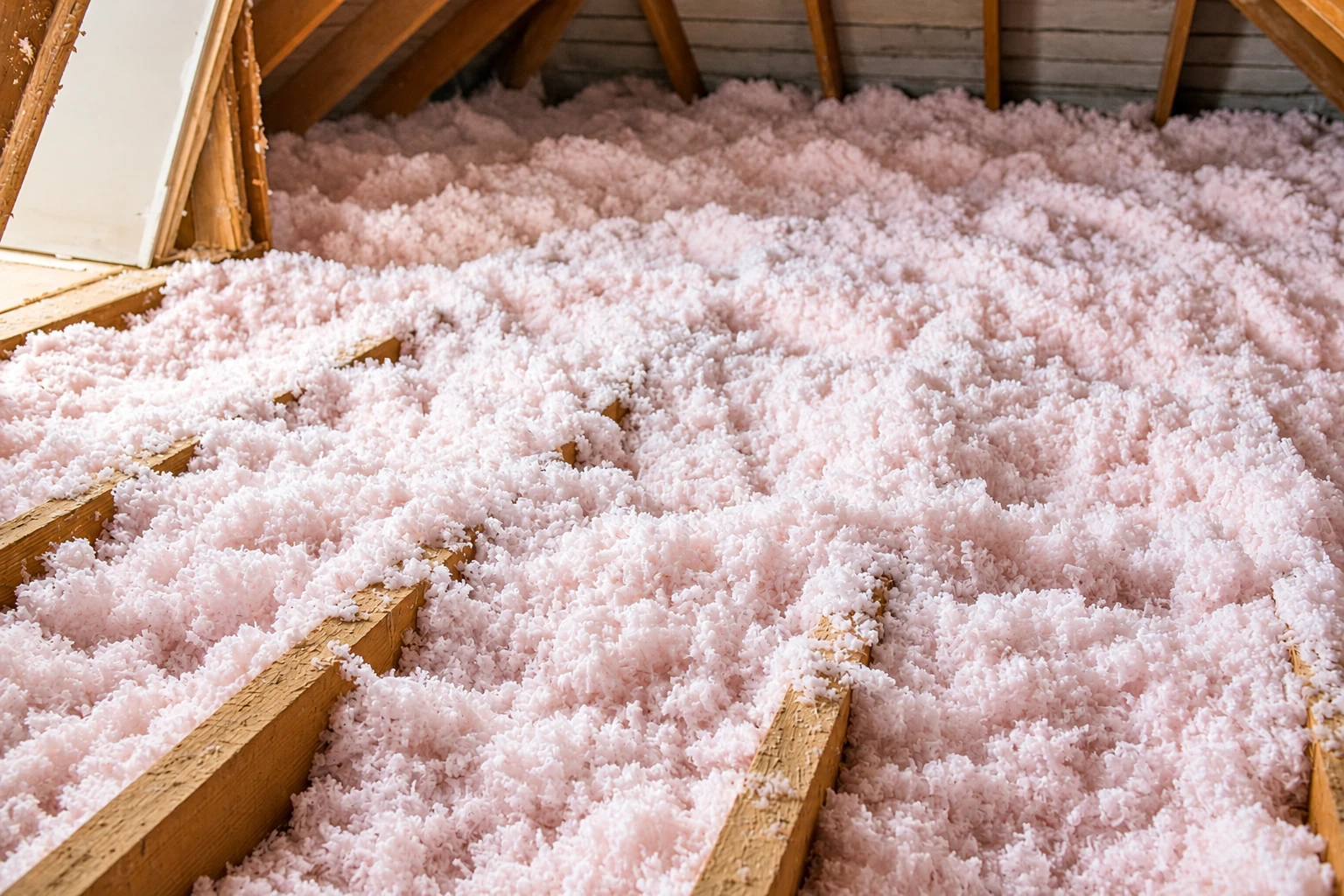
What does insulating a whole house in Dallas involve?
Home insulation in Dallas, TX means sealing the air leaks and adding insulation to the attic, walls, floors and crawl space where your house actually needs it, so the rooms stay closer to what the thermostat says and the AC isn't fighting a hot attic all summer.
I'm the one who comes out, and I look at the attic, the walls, the floors and any leaks, then tell you which part will do the most good first. No sense doing every room if one attic is the real trouble. The price and the schedule turn on how much of the house needs work, how easy the attic is to reach, whether you go with foam or loose fill, and whether soaked or dirty material needs insulation removal before anything new goes in. Steadfast Dallas Spray Foam Insulation is based in Dallas and works across the city and the cities around it, and the written estimate I leave you puts your own number on the job.
How can you tell your house needs more insulation?
Most people call us because a room feels wrong or a bill looks wrong. These are the things homeowners usually notice first, and what each one tends to mean once I'm up in the attic.
The room over the garage stays hot all summer, which usually means thin insulation or open gaps above it.
The power bill keeps climbing while the AC runs nonstop, usually a sign cooled air is leaking out.
Floors over the crawl space feel cold in winter, so there's likely little or no insulation under them.
You can feel a draft at outlets, baseboards or the attic hatch, which means air is moving through gaps.
Looking up the hatch, you can see the tops of the ceiling joists, so the insulation has settled thin.
Old insulation up there is matted, stained or full of droppings, and fresh material shouldn't go over it.
If you see anything damp or a stain on a ceiling, call sooner rather than later, because a leak has to be fixed before any insulation goes in.
What happens after you call us about insulating your house?
It's a short process, and I'm involved from the first look to the final check. Here's who does what, and what you have in hand before you decide anything.
Call us or send a request
Call (214) 706-4099 or use the form, and we'll set a time for me to come out. Mention anything damp, stained or flaky you've seen in the attic so I know what to look for.
I inspect and write it up
I look at the attic, walls and crawl space and check for leaks, bad wiring or old insulation that has to be handled first. You get a written estimate that lays out what needs doing, in what order and what it costs, so there's nothing to guess at.
Our crew seals, then insulates
Our crew closes the gaps around lights, pipes and the hatch first, then insulates, keeping the eave vents, the openings that let the attic breathe, clear and the edges as deep as the middle. When they're done, they clean up after themselves.
We walk the job together
I walk the finished job with you before we call it done, so you can see the work for yourself. Satisfaction guaranteed.
Get a written estimate for insulating your Dallas home
Send the form and we'll get back to you within one business day to set a time. I'll come out, look the house over and leave a free written estimate, with no obligation to go ahead.
- Call
- (214) 706-4099
- Hours
- Mon–Fri: 8 AM–9 PM, Sat–Sun: 6 AM–9 PM
Foam, loose fill and radiant barriers for Dallas attics
For most Dallas attics, I'd seal the gaps and top up the loose fill. Blown-in insulation, loose fill sprayed through a hose, is the cheaper way to build depth, and air sealing, closing the gaps before insulating, handles the leaks around lights, pipes and the hatch. Foam costs more because it seals and insulates in one pass, so I save it for houses where that really pays off.
That's usually when the ductwork lives in the attic, which it does in plenty of houses around here. Moving the insulation up to the underside of the roof deck has real advantages then, because it brings the ducts and the AC unit inside the insulated part of the house, so air leaking from the ducts still cools your rooms. A sealed attic like that needs a way to get rid of moisture, so ask how that will be handled before you agree to it.
In a hot, sunny place like Dallas, a radiant barrier, rolled foil that reflects heat off the roof, is worth asking about for your attic. Under the house, crawl space insulation is what fixes cold floors, and closed-cell foam, a dense foam that also blocks moisture, suits a crawl space that tends to stay damp. Which of these fits depends on what I find, not on what's easiest to sell.
Home insulation questions from Dallas homeowners
How much does home insulation cost in Dallas, TX?
Home insulation work in Dallas usually costs about $1,400 to $4,800 per job, and that's what the work runs across the area, not a quote from us. Where your house lands depends on how much of it needs work, whether old insulation comes out first, how easy the attic is to reach and whether you go with foam or loose fill. The written estimate I give you after looking at the house puts your own number on it.
Do I need a permit to add insulation to my house in Dallas?
The city of Dallas says adding insulation generally doesn't need a permit except in certain areas, such as historic districts, so the answer for your house turns on where it sits and what else the job touches. We're licensed and insured, we check with the city's building office before we start, and when a permit is needed we handle the application and the inspections. If the insulation is part of a remodel permit, the city requires a Compliance Certificate at the end, and it says electrical work has to be done by a licensed electrician, so any wiring changes go to one.
Do air leaks need to be sealed before adding insulation?
Yes, the gaps in your ceilings, walls and foundation should be sealed before insulation goes in, because otherwise the money you spend on insulation can go to waste. When you compare quotes, check that air sealing is part of the job and comes first. We've worked that way since 2017, sealing first and insulating second.
How do I deal with flaky gray insulation in my attic?
Leave it alone until it's been tested, because flaky gray insulation may be vermiculite, which can contain asbestos. It should stay undisturbed until an approved lab tests it, and your local health department can tell you which labs are approved. If I spot it during the estimate, I'll point it out, and we won't cover it or pull it out until you know what it is.
How do I know if my attic needs repairs before insulating?
Wet insulation, moldy or rotted framing, little or no ventilation, or a kitchen, bath or dryer vent blowing into the attic instead of outdoors all need to be fixed by a pro before any insulation goes in. Knob and tube wiring, found in houses built before 1930, belongs on that list too, because it can be a fire hazard where it touches insulation. Insulation laid over any of that just hides the problem, which is why I check for it before I write the estimate.
How do I check that blown-in attic insulation is deep enough?
Look for rulers stapled in several spots around the attic, because a Department of Energy guide for contractors says that's how an installer should show loose fill is deep enough and spread evenly. The same rulers let you see how much it settles over the years. Check the edges near the eaves too, since deep in the middle and thin at the edges is a common mistake.
Related insulation work we do in Dallas
Insulation removal
If the old insulation up there is soaked, stained or full of droppings, it has to come out before anything new goes in, or the problem stays.
Crawl space insulation
Cold floors and a drafty first story often trace back to an open crawl space, and insulating under the floor keeps that air out of your rooms.
Call about insulating your Dallas home
Have your house's age and how you get into the attic handy when you call (214) 706-4099 or send the form, because those two things tell me a lot before I climb the ladder.
Mon–Fri: 8 AM–9 PM, Sat–Sun: 6 AM–9 PM